

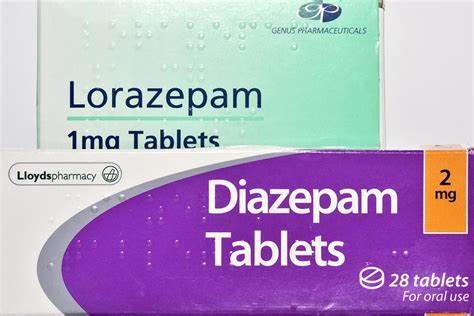
Battle of the Benzos: Lorazepam 1mg vs Diazepam 5mg
When it comes to managing anxiety, benzodiazepines remain one of the most widely prescribed classes of medications. In this detailed comparison, we delve into the battle of the Benzos: Lorazepam 1mg vs Diazepam 5mg to help you understand their differences, benefits, and considerations. Lorazepam (Ativan) is known for its intermediate onset and moderate duration of action, making it a favored option for acute anxiety relief and short-term use. At a dose of 1mg, lorazepam provides effective symptom control with a relatively lower risk of prolonged sedation. In contrast, diazepam (Valium), typically prescribed at a dose of 5mg, offers a rapid onset with a long half-life, which can be beneficial for conditions requiring prolonged anxiolytic coverage, such as muscle spasms and alcohol withdrawal. However, its extended duration may also lead to accumulation in the body, increasing the risk of sedation and potential dependency.
Lorazepam 1mg
Lorazepam 1mg is a medication commonly prescribed to treat anxiety, panic disorders, and certain types of seizures. It belongs to the class of drugs known as benzodiazepines, which are central nervous system (CNS) depressants that work by enhancing the effects of a neurotransmitter called gamma-aminobutyric acid (GABA) in the brain.
Potency
Compared to other benzodiazepines like Diazepam, Lorazepam is a high-potency benzodiazepine, which means that a lower dose is needed to have the desired therapeutic effect.
Duration of effect
The Lorazepam effects generally stay around 6-8 hours, making it a shorter-acting benzodiazepine compared to a few others.
Medical uses
Lorazepam is generally prescribed for the short-term management of insomnia, anxiety, and specific types of seizures. Additionally, it can be used as a preoperative sedative or to treat withdrawal symptoms from alcohol.
Diazepam 5mg
Diazepam 5mg is a medication commonly known by its brand name, Valium. It belongs to a class of drugs called benzodiazepines, which are central nervous system depressants. Diazepam is primarily prescribed for its anxiolytic (anxiety-reducing), muscle relaxant, and soothing properties.
Potency
Benzodiazepine Diazepam is categorized as medium-potency. It needs a slightly higher dosage to achieve that same effect as Lorazepam.
Duration of effect
Due to Diazepam’s greater elimination half-life, its effects typically stay longer, between 8 and 12 hours.
Medical uses
Diazepam is generally prescribed for treating various conditions, including muscle spasms, anxiety disorder, alcohol withdrawal symptoms, and specific types of seizures. Its long-lasting effects make it beneficial for treating anxiety over a longer period.
This drug can also be used in specific clinical procedures requiring muscle relaxation.
Purpose of the comparison
Comparing drugs like Lorazepam 1mg vs Diazepam 5mg serves various essential purposes in medical practice;
Treatment selection
Medical experts need to choose the most appropriate drug for a patient’s particular condition. Comparing these two drugs helps healthcare experts determine which one might be more suitable based on a few factors.
Both medications work by enhancing the effect of the neurotransmitter gamma-aminobutyric acid (GABA) in the brain, but they differ in their pharmacokinetic profiles and clinical applications. Here are some key points to consider:
-
Onset of Action: Diazepam acts quickly, making it useful for immediate relief, while lorazepam has a slightly slower onset.
-
Half-Life: Diazepam’s longer half-life can provide extended relief but may contribute to daytime drowsiness, whereas lorazepam’s shorter half-life allows for more predictable dosing schedules.
-
Potency and Dosage: Lorazepam 1mg and Diazepam 5mg are considered roughly equivalent in anxiolytic potency, yet individual responses can vary.
-
Side Effects: Both drugs can cause drowsiness, impaired coordination, and potential dependency; however, lorazepam might be preferred for short-term use due to its lower accumulation risk.
-
Clinical Use: Diazepam is often utilized in settings requiring rapid muscle relaxation and withdrawal management, while lorazepam is a go-to for acute anxiety episodes and procedural sedation.
Ultimately, the choice between Lorazepam 1mg vs Diazepam 5mg should be based on individual patient needs, clinical circumstances, and the prescribing healthcare provider’s judgment. Always consult a medical professional to determine the most appropriate benzodiazepine for your specific situation.
